Overview
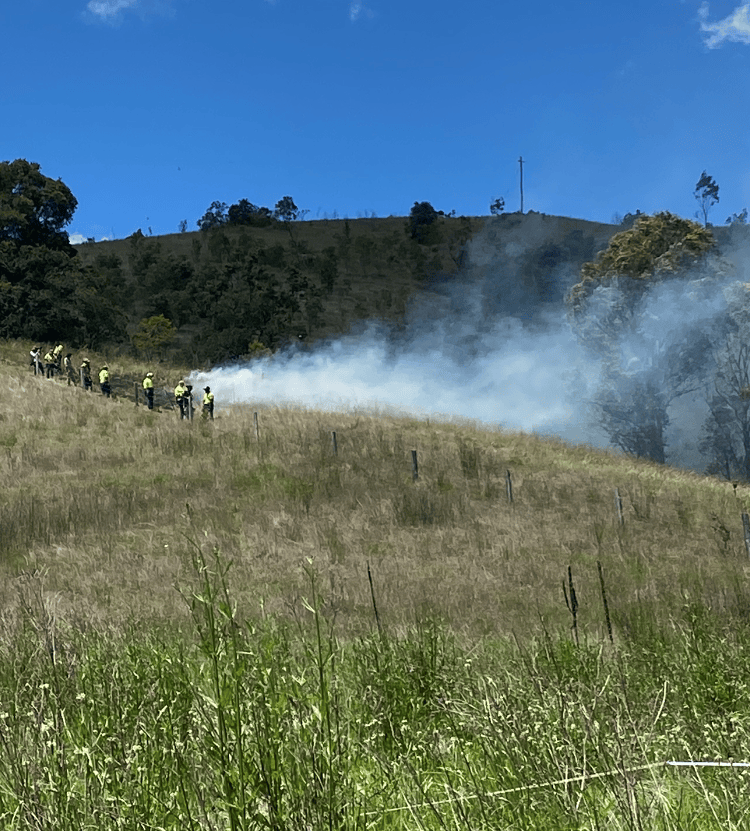
Cool Burn delivers ecological monitoring, assessment, and management planning services for biodiversity offsets and areas of ecological significance. In the Upper Hunter Region, Cool Burn was engaged to undertake ecological monitoring and assessment of Travelling Stock Reserves (TSRs) – Crown land parcels traditionally used for livestock movement, resting, and grazing. These reserves also contain important Threatened Ecological Communities (TECs), including the critically endangered Box-Gum Grassy Woodland, requiring sensitive management to balance ecological integrity with agricultural function.
Challenge
TSRs are working landscapes that face ecological pressures from agricultural practices such as overgrazing, erosion, weed incursion, and the decline of dominant canopy and habitat species. The challenge was to assess the current ecological condition of the reserves and provide practical, science-based recommendations to protect biodiversity values while maintaining their functionality as stock reserves.
Solution
Cool Burn undertook a comprehensive ecological assessment program, including:
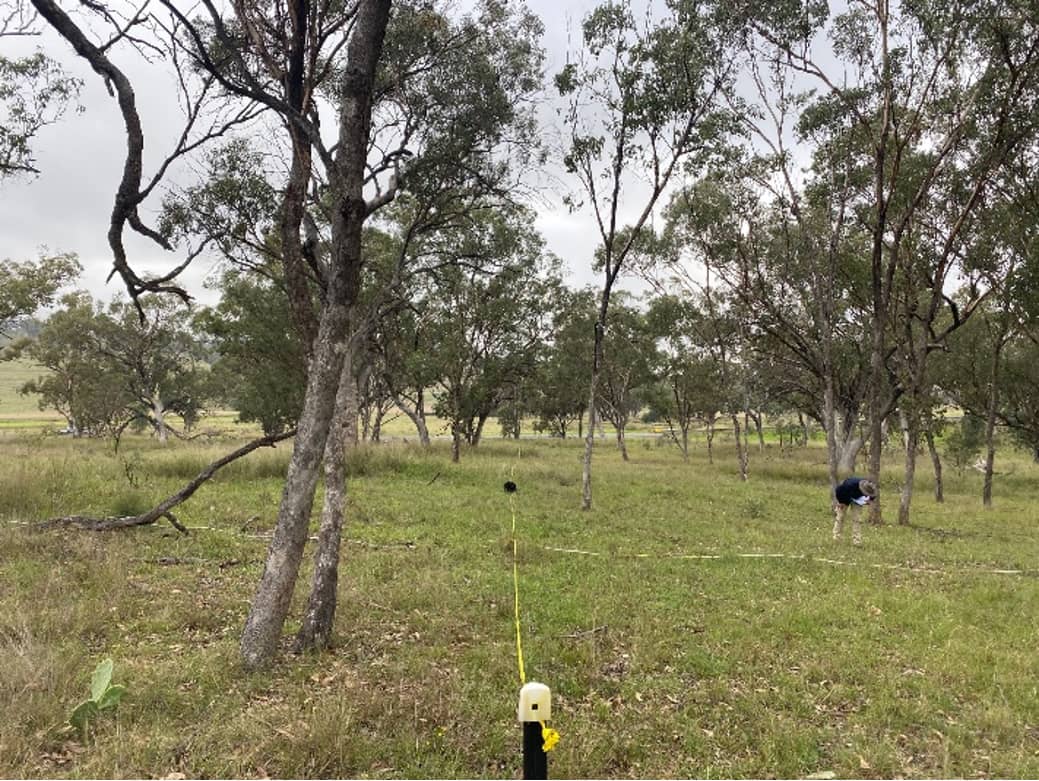
- Floristic plot surveys to evaluate plant diversity and condition.
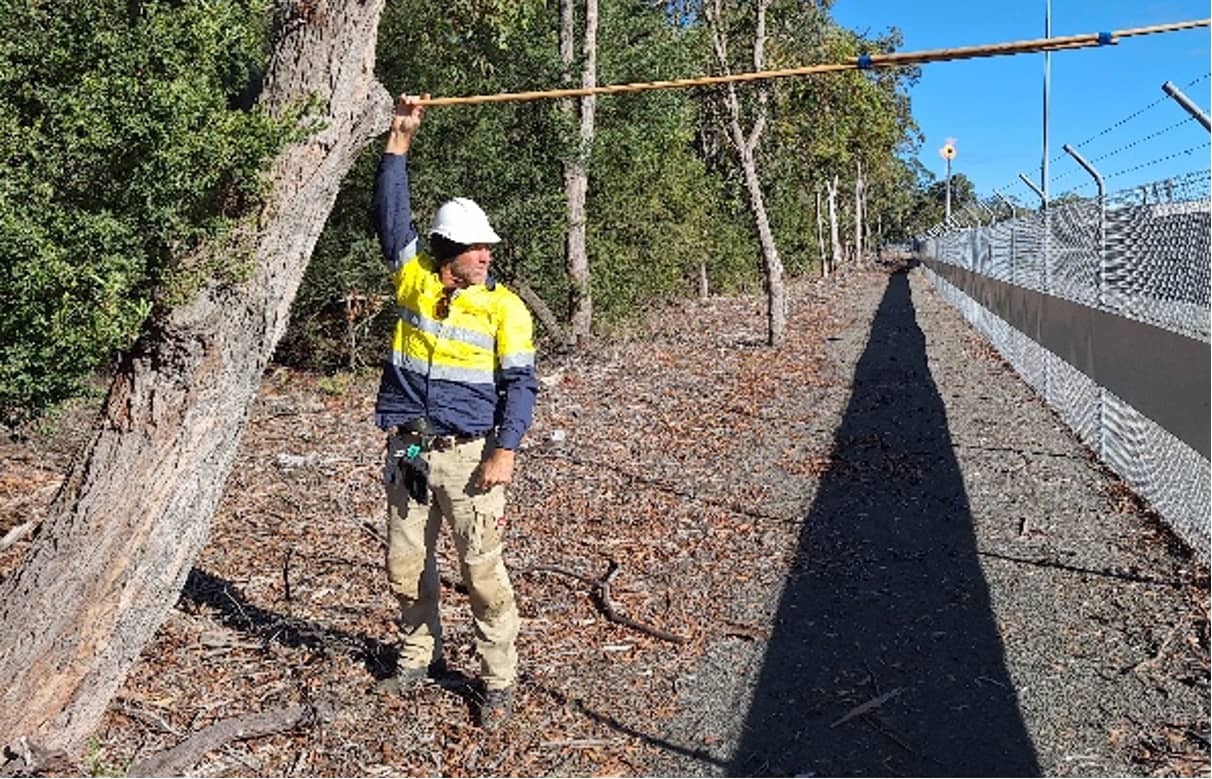
- Fauna habitat assessments to assess the quality and availability of native wildlife habitats.
- Soil health sampling to measure impacts of grazing and identify restoration opportunities.
Based on the findings, Cool Burn provided targeted management recommendations such as:
- Assisted regeneration to enhance habitat connectivity and stabilise drainage lines.
- Paddock rotation and spelling to reduce overgrazing pressure.
- Weed control and retention of fallen timber to support native habitat structure and function.
Impact
This project delivered clear, evidence-based insights into the ecological condition of the Upper Hunter TSRs and offered practical strategies to restore and maintain their biodiversity values. By integrating ecological science with land-use functionality, Cool Burn’s recommendations support long-term sustainability of TSRs, ensuring they continue to serve both agricultural and environmental purposes.