Overview
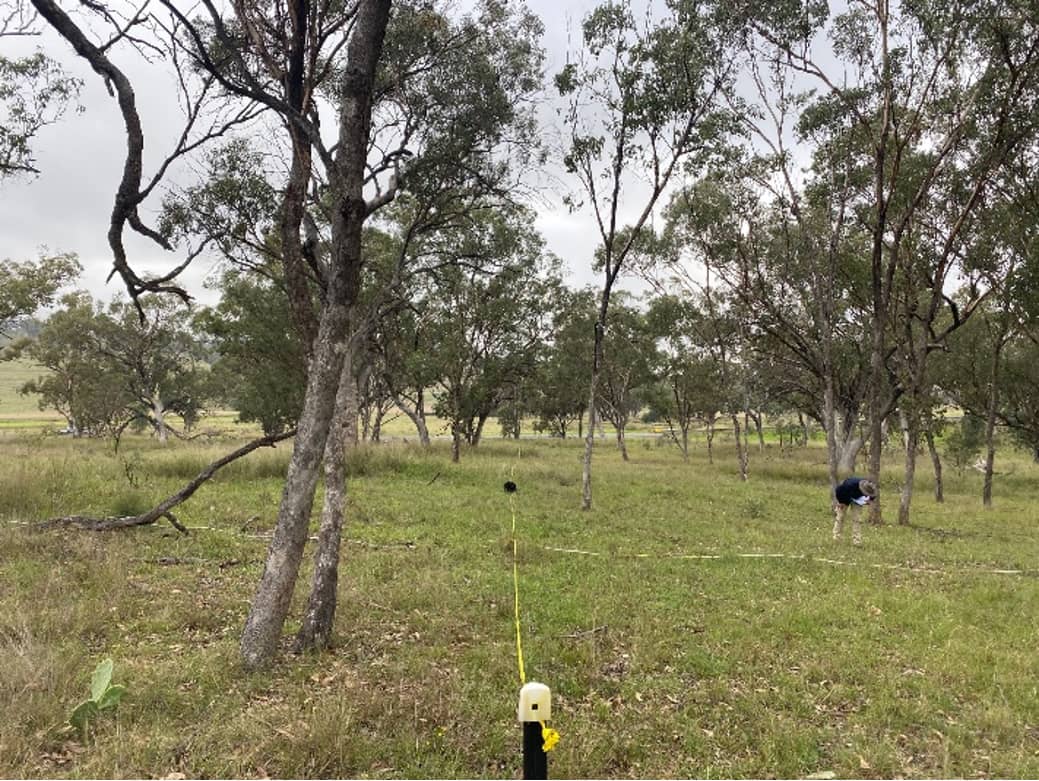
Gas storage facilities are a critical part of New South Wales’ natural gas infrastructure, storing and handling significant volumes of liquefied natural gas (LNG). Due to the scale and nature of operations, these facilities are generally classified as Major Hazard Facilities by the NSW Government. Recognising the bushfire risks associated with such infrastructure, Cool Burn was engaged to undertake a pre-summer bushfire preparedness assessment for an LNG facility located in a bushfire-prone area.
Challenge
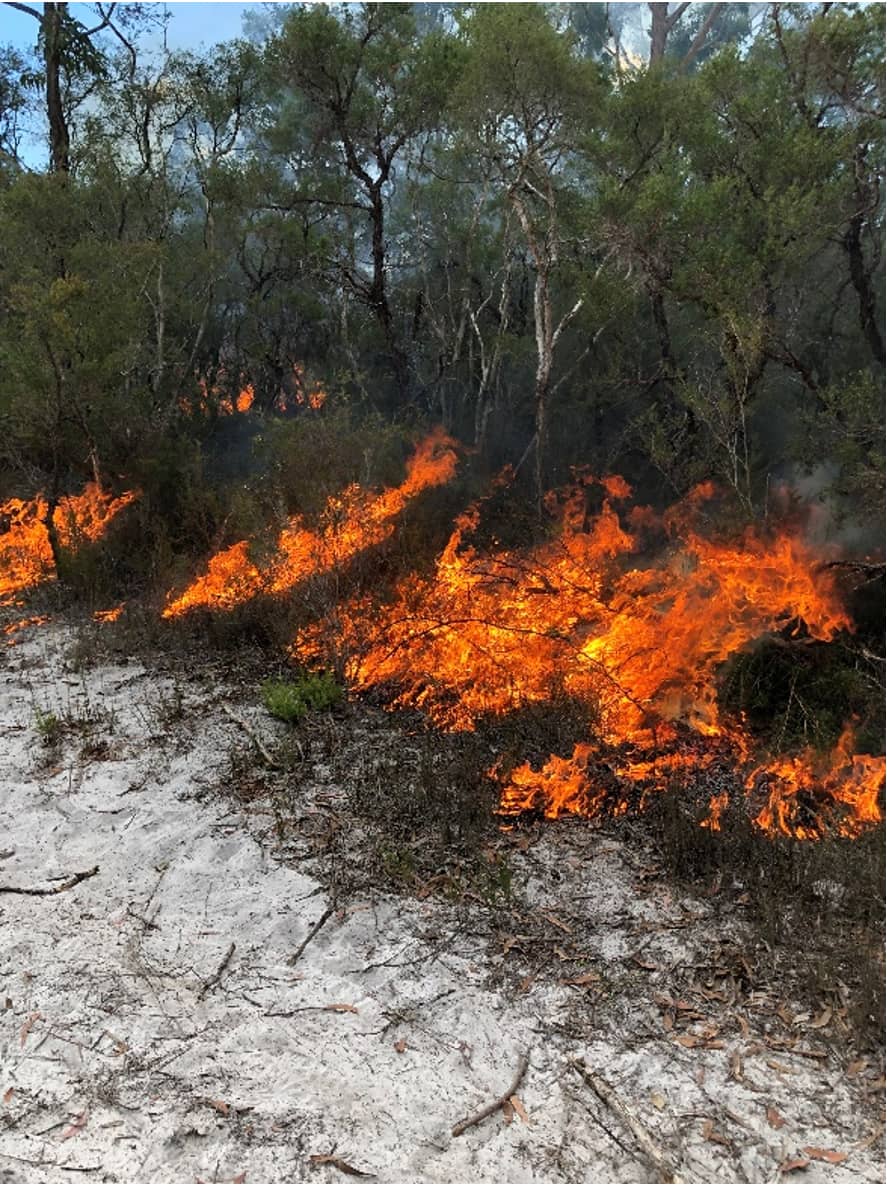
Given the hazardous nature of LNG operations, bushfire events present a significant risk to both infrastructure and community safety. The challenge was to identify vulnerabilities and implement effective mitigation measures that reduce the likelihood of bushfire impacts while ensuring compliance with regulatory expectations for Major Hazard Facilities.
Solution
Cool Burn conducted a comprehensive bushfire preparedness assessment, which included:
- Identification of bushfire risks specific to the site and its operations.
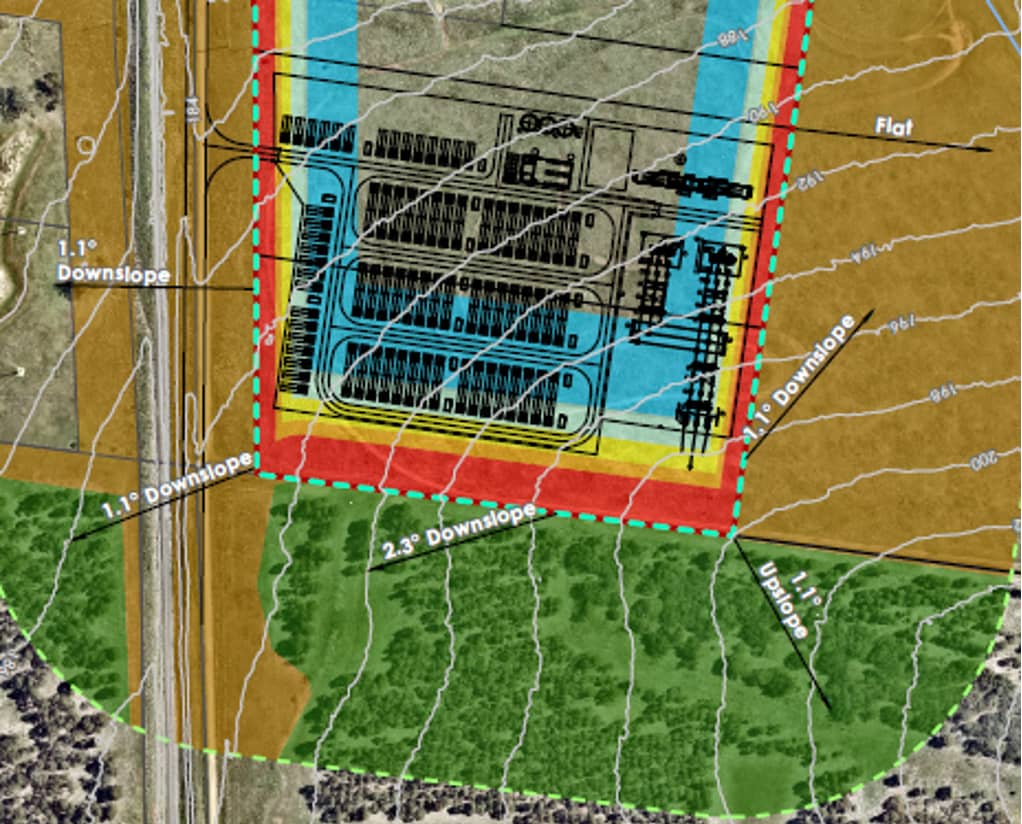
- Evaluation of asset protection zones to confirm compliance and effectiveness.
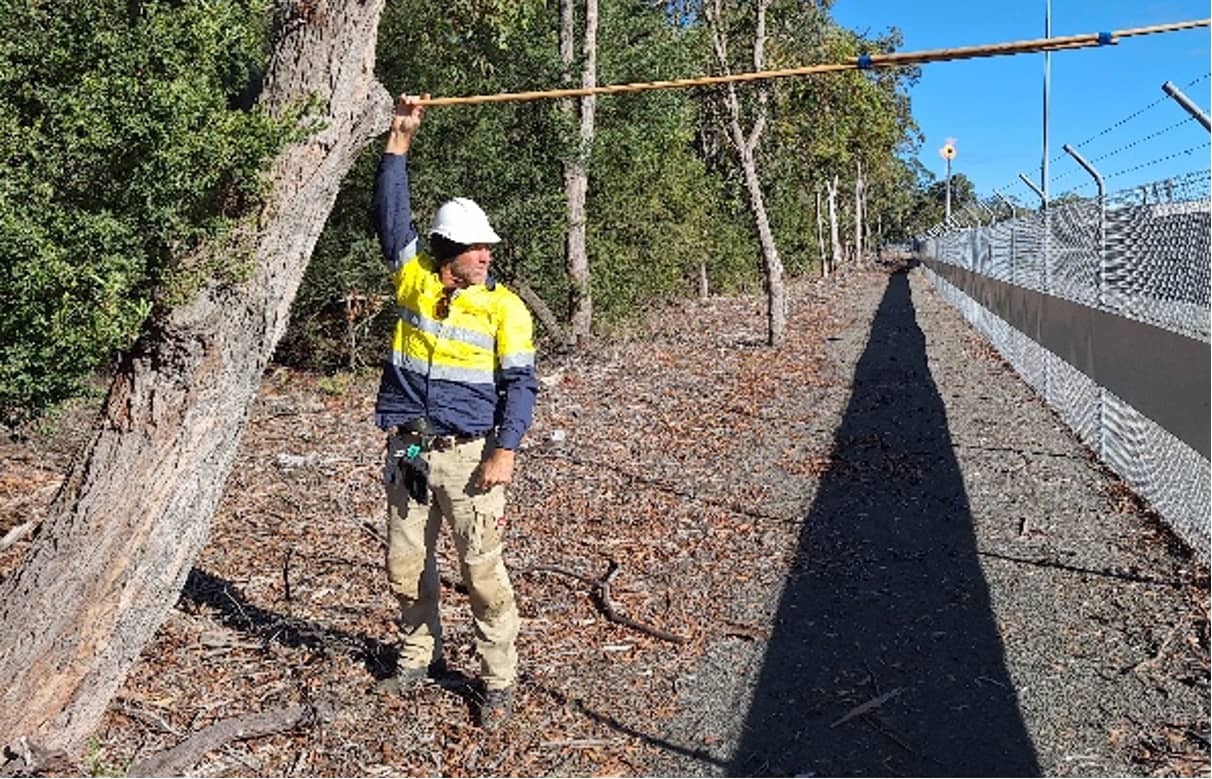
- Assessment of perimeter access tracks to ensure adequate vehicle access and emergency egress.
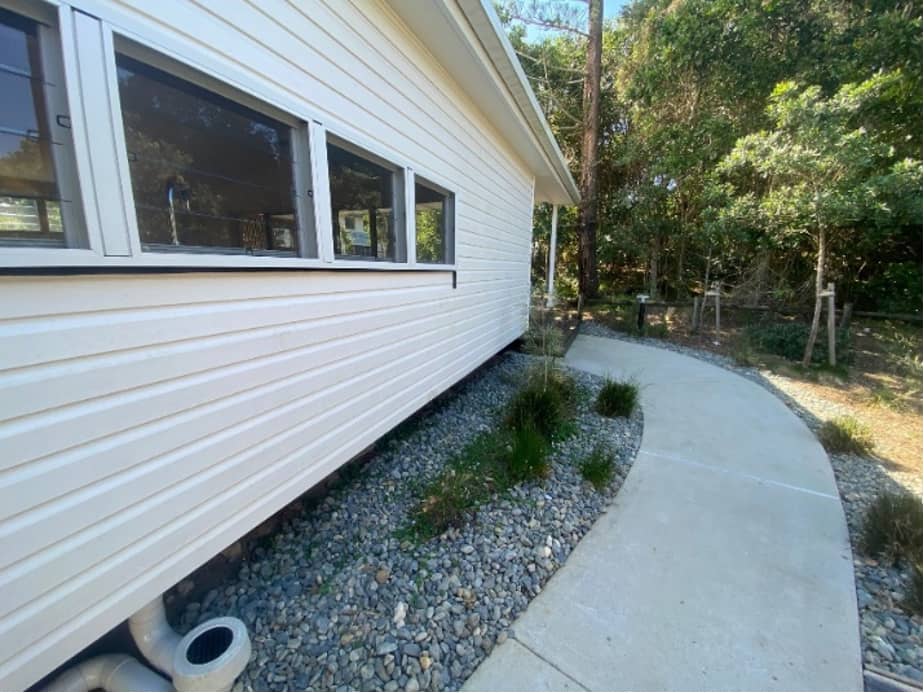
- Review of landscaping practices, water supply, and building design/construction standards for bushfire resilience.
- Recommendations to strengthen emergency management arrangements and response protocols.
Image: Measuring the perimeter access track width within the asset protection zone around the facility.
All recommendations were consolidated into a detailed works plan to support their implementation and ongoing management.
Impact
Cool Burn’s assessment provided the LNG facility with clear, actionable steps to enhance preparedness and resilience ahead of the bushfire season. By embedding established bushfire protection measures into operational management, the facility has strengthened its capacity to withstand bushfire events while safeguarding critical energy infrastructure and surrounding communities.